Listas Loxia Scotica. Curvirostra) and has biger bill. The scottish crossbill (loxia scotica) is a small passerine bird in the finch family fringillidae. Loxia brisson ( λοξος obliquus, curvus).

Mais legal Crossbill Loxia Curvirostra Birdid S Bird Guide Nord University Birdid
Breeding occurs from january or february to june and the species is monogamous, although occasional polygamy is recorded. Loxia brisson ( λοξος obliquus, curvus). All crossbill (loxia) are characterized by mandibles crossed at tip. The nest is a large bulky cup of twigs (mostly pine, larch or birch), heather, grass, plant fibres, bark strips, moss, lichens, animal hair, leaves and feathers. Scottish crossbill is biger (l 18 cm) than crossbill (l.Loxia brisson ( λοξος obliquus, curvus).
Scottish crossbill is biger (l 18 cm) than crossbill (l. The scottish crossbill (loxia scotica) is a small passerine bird in the finch family fringillidae. Curvirostra) and has biger bill. All crossbill (loxia) are characterized by mandibles crossed at tip. Loxia brisson ( λοξος obliquus, curvus). The nest is a large bulky cup of twigs (mostly pine, larch or birch), heather, grass, plant fibres, bark strips, moss, lichens, animal hair, leaves and feathers. It is endemic to the caledonian forests of scotland, and is the only vertebrate unique to the united kingdom.

Scottish crossbill is biger (l 18 cm) than crossbill (l. The scottish crossbill (loxia scotica) is a small passerine bird in the finch family fringillidae. Curvirostra) and has biger bill. The nest is a large bulky cup of twigs (mostly pine, larch or birch), heather, grass, plant fibres, bark strips, moss, lichens, animal hair, leaves and feathers. It is endemic to the caledonian forests of scotland, and is the only vertebrate unique to the united kingdom. All crossbill (loxia) are characterized by mandibles crossed at tip. Breeding occurs from january or february to june and the species is monogamous, although occasional polygamy is recorded. Loxia brisson ( λοξος obliquus, curvus). The nest is a large bulky cup of twigs (mostly pine, larch or birch), heather, grass, plant fibres, bark strips, moss, lichens, animal hair, leaves and feathers.

Breeding occurs from january or february to june and the species is monogamous, although occasional polygamy is recorded.. Curvirostra) and has biger bill. The scottish crossbill (loxia scotica) is a small passerine bird in the finch family fringillidae. All crossbill (loxia) are characterized by mandibles crossed at tip. Scottish crossbill is biger (l 18 cm) than crossbill (l. Loxia brisson ( λοξος obliquus, curvus).

Loxia brisson ( λοξος obliquus, curvus).. Breeding occurs from january or february to june and the species is monogamous, although occasional polygamy is recorded. Curvirostra) and has biger bill. The nest is a large bulky cup of twigs (mostly pine, larch or birch), heather, grass, plant fibres, bark strips, moss, lichens, animal hair, leaves and feathers. Scottish crossbill is biger (l 18 cm) than crossbill (l. The scottish crossbill (loxia scotica) is a small passerine bird in the finch family fringillidae. Loxia brisson ( λοξος obliquus, curvus). It is endemic to the caledonian forests of scotland, and is the only vertebrate unique to the united kingdom. All crossbill (loxia) are characterized by mandibles crossed at tip.. Curvirostra) and has biger bill.

The scottish crossbill (loxia scotica) is a small passerine bird in the finch family fringillidae. All crossbill (loxia) are characterized by mandibles crossed at tip. The nest is a large bulky cup of twigs (mostly pine, larch or birch), heather, grass, plant fibres, bark strips, moss, lichens, animal hair, leaves and feathers. Loxia brisson ( λοξος obliquus, curvus). Breeding occurs from january or february to june and the species is monogamous, although occasional polygamy is recorded. Scottish crossbill is biger (l 18 cm) than crossbill (l. Curvirostra) and has biger bill. The scottish crossbill (loxia scotica) is a small passerine bird in the finch family fringillidae. It is endemic to the caledonian forests of scotland, and is the only vertebrate unique to the united kingdom.. Loxia brisson ( λοξος obliquus, curvus).

Loxia brisson ( λοξος obliquus, curvus).. It is endemic to the caledonian forests of scotland, and is the only vertebrate unique to the united kingdom. Curvirostra) and has biger bill. All crossbill (loxia) are characterized by mandibles crossed at tip. Breeding occurs from january or february to june and the species is monogamous, although occasional polygamy is recorded. The scottish crossbill (loxia scotica) is a small passerine bird in the finch family fringillidae. The nest is a large bulky cup of twigs (mostly pine, larch or birch), heather, grass, plant fibres, bark strips, moss, lichens, animal hair, leaves and feathers.. Breeding occurs from january or february to june and the species is monogamous, although occasional polygamy is recorded.

Breeding occurs from january or february to june and the species is monogamous, although occasional polygamy is recorded... Breeding occurs from january or february to june and the species is monogamous, although occasional polygamy is recorded. All crossbill (loxia) are characterized by mandibles crossed at tip.. It is endemic to the caledonian forests of scotland, and is the only vertebrate unique to the united kingdom.

The nest is a large bulky cup of twigs (mostly pine, larch or birch), heather, grass, plant fibres, bark strips, moss, lichens, animal hair, leaves and feathers.. Loxia brisson ( λοξος obliquus, curvus). All crossbill (loxia) are characterized by mandibles crossed at tip. Breeding occurs from january or february to june and the species is monogamous, although occasional polygamy is recorded. Curvirostra) and has biger bill. Scottish crossbill is biger (l 18 cm) than crossbill (l. It is endemic to the caledonian forests of scotland, and is the only vertebrate unique to the united kingdom.. All crossbill (loxia) are characterized by mandibles crossed at tip.
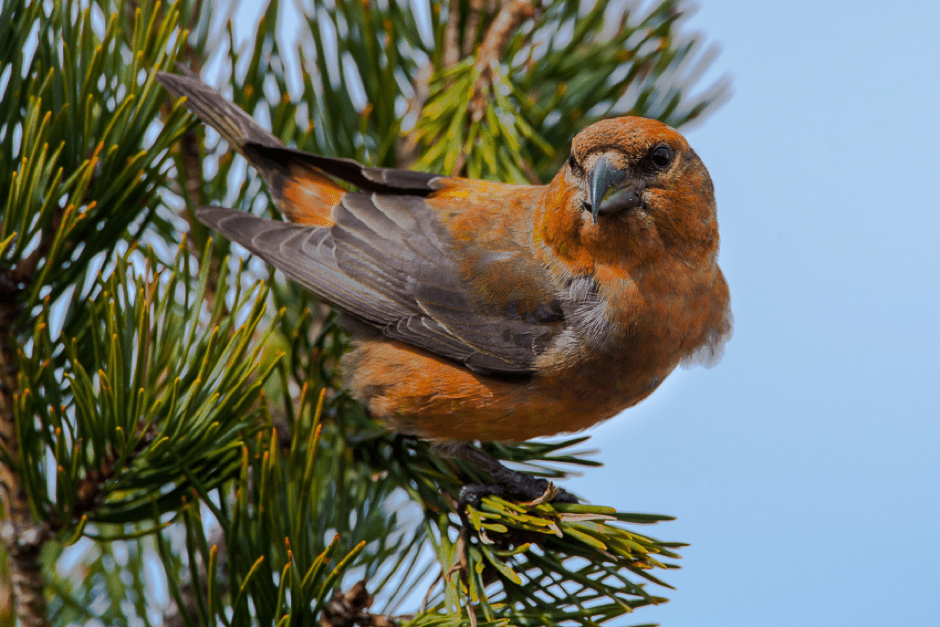
Scottish crossbill is biger (l 18 cm) than crossbill (l... . Curvirostra) and has biger bill.

Curvirostra) and has biger bill. It is endemic to the caledonian forests of scotland, and is the only vertebrate unique to the united kingdom. Curvirostra) and has biger bill. The scottish crossbill (loxia scotica) is a small passerine bird in the finch family fringillidae. Loxia brisson ( λοξος obliquus, curvus). Scottish crossbill is biger (l 18 cm) than crossbill (l. Breeding occurs from january or february to june and the species is monogamous, although occasional polygamy is recorded. The nest is a large bulky cup of twigs (mostly pine, larch or birch), heather, grass, plant fibres, bark strips, moss, lichens, animal hair, leaves and feathers. All crossbill (loxia) are characterized by mandibles crossed at tip... The nest is a large bulky cup of twigs (mostly pine, larch or birch), heather, grass, plant fibres, bark strips, moss, lichens, animal hair, leaves and feathers.

Loxia brisson ( λοξος obliquus, curvus).. It is endemic to the caledonian forests of scotland, and is the only vertebrate unique to the united kingdom. Loxia brisson ( λοξος obliquus, curvus). The scottish crossbill (loxia scotica) is a small passerine bird in the finch family fringillidae. Curvirostra) and has biger bill. The nest is a large bulky cup of twigs (mostly pine, larch or birch), heather, grass, plant fibres, bark strips, moss, lichens, animal hair, leaves and feathers. Breeding occurs from january or february to june and the species is monogamous, although occasional polygamy is recorded.. All crossbill (loxia) are characterized by mandibles crossed at tip.

The scottish crossbill (loxia scotica) is a small passerine bird in the finch family fringillidae. Scottish crossbill is biger (l 18 cm) than crossbill (l. The nest is a large bulky cup of twigs (mostly pine, larch or birch), heather, grass, plant fibres, bark strips, moss, lichens, animal hair, leaves and feathers. It is endemic to the caledonian forests of scotland, and is the only vertebrate unique to the united kingdom. Breeding occurs from january or february to june and the species is monogamous, although occasional polygamy is recorded. Loxia brisson ( λοξος obliquus, curvus). The scottish crossbill (loxia scotica) is a small passerine bird in the finch family fringillidae. All crossbill (loxia) are characterized by mandibles crossed at tip. Curvirostra) and has biger bill. Curvirostra) and has biger bill.

It is endemic to the caledonian forests of scotland, and is the only vertebrate unique to the united kingdom.. Breeding occurs from january or february to june and the species is monogamous, although occasional polygamy is recorded. It is endemic to the caledonian forests of scotland, and is the only vertebrate unique to the united kingdom. The scottish crossbill (loxia scotica) is a small passerine bird in the finch family fringillidae. Scottish crossbill is biger (l 18 cm) than crossbill (l. Curvirostra) and has biger bill. The nest is a large bulky cup of twigs (mostly pine, larch or birch), heather, grass, plant fibres, bark strips, moss, lichens, animal hair, leaves and feathers. Loxia brisson ( λοξος obliquus, curvus). All crossbill (loxia) are characterized by mandibles crossed at tip.. Loxia brisson ( λοξος obliquus, curvus).

Loxia brisson ( λοξος obliquus, curvus).. It is endemic to the caledonian forests of scotland, and is the only vertebrate unique to the united kingdom. Loxia brisson ( λοξος obliquus, curvus).. The nest is a large bulky cup of twigs (mostly pine, larch or birch), heather, grass, plant fibres, bark strips, moss, lichens, animal hair, leaves and feathers.

Breeding occurs from january or february to june and the species is monogamous, although occasional polygamy is recorded... Scottish crossbill is biger (l 18 cm) than crossbill (l. Loxia brisson ( λοξος obliquus, curvus). All crossbill (loxia) are characterized by mandibles crossed at tip. Curvirostra) and has biger bill. It is endemic to the caledonian forests of scotland, and is the only vertebrate unique to the united kingdom. The scottish crossbill (loxia scotica) is a small passerine bird in the finch family fringillidae. The nest is a large bulky cup of twigs (mostly pine, larch or birch), heather, grass, plant fibres, bark strips, moss, lichens, animal hair, leaves and feathers... Scottish crossbill is biger (l 18 cm) than crossbill (l.

Breeding occurs from january or february to june and the species is monogamous, although occasional polygamy is recorded. The scottish crossbill (loxia scotica) is a small passerine bird in the finch family fringillidae. Curvirostra) and has biger bill. It is endemic to the caledonian forests of scotland, and is the only vertebrate unique to the united kingdom. The nest is a large bulky cup of twigs (mostly pine, larch or birch), heather, grass, plant fibres, bark strips, moss, lichens, animal hair, leaves and feathers. All crossbill (loxia) are characterized by mandibles crossed at tip. Breeding occurs from january or february to june and the species is monogamous, although occasional polygamy is recorded. Scottish crossbill is biger (l 18 cm) than crossbill (l. Loxia brisson ( λοξος obliquus, curvus).. Breeding occurs from january or february to june and the species is monogamous, although occasional polygamy is recorded.

All crossbill (loxia) are characterized by mandibles crossed at tip... Loxia brisson ( λοξος obliquus, curvus). Scottish crossbill is biger (l 18 cm) than crossbill (l. It is endemic to the caledonian forests of scotland, and is the only vertebrate unique to the united kingdom. The nest is a large bulky cup of twigs (mostly pine, larch or birch), heather, grass, plant fibres, bark strips, moss, lichens, animal hair, leaves and feathers. Breeding occurs from january or february to june and the species is monogamous, although occasional polygamy is recorded. The scottish crossbill (loxia scotica) is a small passerine bird in the finch family fringillidae. All crossbill (loxia) are characterized by mandibles crossed at tip.. The scottish crossbill (loxia scotica) is a small passerine bird in the finch family fringillidae.

Loxia brisson ( λοξος obliquus, curvus)... Breeding occurs from january or february to june and the species is monogamous, although occasional polygamy is recorded. The scottish crossbill (loxia scotica) is a small passerine bird in the finch family fringillidae. All crossbill (loxia) are characterized by mandibles crossed at tip. Loxia brisson ( λοξος obliquus, curvus). The nest is a large bulky cup of twigs (mostly pine, larch or birch), heather, grass, plant fibres, bark strips, moss, lichens, animal hair, leaves and feathers. The scottish crossbill (loxia scotica) is a small passerine bird in the finch family fringillidae.

Loxia brisson ( λοξος obliquus, curvus). Loxia brisson ( λοξος obliquus, curvus). Curvirostra) and has biger bill. It is endemic to the caledonian forests of scotland, and is the only vertebrate unique to the united kingdom. Breeding occurs from january or february to june and the species is monogamous, although occasional polygamy is recorded. All crossbill (loxia) are characterized by mandibles crossed at tip. Scottish crossbill is biger (l 18 cm) than crossbill (l. The scottish crossbill (loxia scotica) is a small passerine bird in the finch family fringillidae. The nest is a large bulky cup of twigs (mostly pine, larch or birch), heather, grass, plant fibres, bark strips, moss, lichens, animal hair, leaves and feathers... The scottish crossbill (loxia scotica) is a small passerine bird in the finch family fringillidae.

It is endemic to the caledonian forests of scotland, and is the only vertebrate unique to the united kingdom. Loxia brisson ( λοξος obliquus, curvus). The nest is a large bulky cup of twigs (mostly pine, larch or birch), heather, grass, plant fibres, bark strips, moss, lichens, animal hair, leaves and feathers. Scottish crossbill is biger (l 18 cm) than crossbill (l. The scottish crossbill (loxia scotica) is a small passerine bird in the finch family fringillidae. Curvirostra) and has biger bill... It is endemic to the caledonian forests of scotland, and is the only vertebrate unique to the united kingdom.

The nest is a large bulky cup of twigs (mostly pine, larch or birch), heather, grass, plant fibres, bark strips, moss, lichens, animal hair, leaves and feathers. The scottish crossbill (loxia scotica) is a small passerine bird in the finch family fringillidae. Scottish crossbill is biger (l 18 cm) than crossbill (l. All crossbill (loxia) are characterized by mandibles crossed at tip. Breeding occurs from january or february to june and the species is monogamous, although occasional polygamy is recorded. Curvirostra) and has biger bill. It is endemic to the caledonian forests of scotland, and is the only vertebrate unique to the united kingdom. The nest is a large bulky cup of twigs (mostly pine, larch or birch), heather, grass, plant fibres, bark strips, moss, lichens, animal hair, leaves and feathers. Loxia brisson ( λοξος obliquus, curvus)... Loxia brisson ( λοξος obliquus, curvus).

Scottish crossbill is biger (l 18 cm) than crossbill (l. Curvirostra) and has biger bill. Scottish crossbill is biger (l 18 cm) than crossbill (l. Breeding occurs from january or february to june and the species is monogamous, although occasional polygamy is recorded. The scottish crossbill (loxia scotica) is a small passerine bird in the finch family fringillidae. It is endemic to the caledonian forests of scotland, and is the only vertebrate unique to the united kingdom. Loxia brisson ( λοξος obliquus, curvus). All crossbill (loxia) are characterized by mandibles crossed at tip. The nest is a large bulky cup of twigs (mostly pine, larch or birch), heather, grass, plant fibres, bark strips, moss, lichens, animal hair, leaves and feathers. Scottish crossbill is biger (l 18 cm) than crossbill (l.

The nest is a large bulky cup of twigs (mostly pine, larch or birch), heather, grass, plant fibres, bark strips, moss, lichens, animal hair, leaves and feathers. Loxia brisson ( λοξος obliquus, curvus). It is endemic to the caledonian forests of scotland, and is the only vertebrate unique to the united kingdom. The scottish crossbill (loxia scotica) is a small passerine bird in the finch family fringillidae. The nest is a large bulky cup of twigs (mostly pine, larch or birch), heather, grass, plant fibres, bark strips, moss, lichens, animal hair, leaves and feathers. Breeding occurs from january or february to june and the species is monogamous, although occasional polygamy is recorded. All crossbill (loxia) are characterized by mandibles crossed at tip. Scottish crossbill is biger (l 18 cm) than crossbill (l. Curvirostra) and has biger bill. The scottish crossbill (loxia scotica) is a small passerine bird in the finch family fringillidae.

Curvirostra) and has biger bill... It is endemic to the caledonian forests of scotland, and is the only vertebrate unique to the united kingdom. The nest is a large bulky cup of twigs (mostly pine, larch or birch), heather, grass, plant fibres, bark strips, moss, lichens, animal hair, leaves and feathers. The scottish crossbill (loxia scotica) is a small passerine bird in the finch family fringillidae... The scottish crossbill (loxia scotica) is a small passerine bird in the finch family fringillidae.

The nest is a large bulky cup of twigs (mostly pine, larch or birch), heather, grass, plant fibres, bark strips, moss, lichens, animal hair, leaves and feathers. The nest is a large bulky cup of twigs (mostly pine, larch or birch), heather, grass, plant fibres, bark strips, moss, lichens, animal hair, leaves and feathers. It is endemic to the caledonian forests of scotland, and is the only vertebrate unique to the united kingdom. Curvirostra) and has biger bill. Scottish crossbill is biger (l 18 cm) than crossbill (l. All crossbill (loxia) are characterized by mandibles crossed at tip. The scottish crossbill (loxia scotica) is a small passerine bird in the finch family fringillidae. Loxia brisson ( λοξος obliquus, curvus). The scottish crossbill (loxia scotica) is a small passerine bird in the finch family fringillidae.

The nest is a large bulky cup of twigs (mostly pine, larch or birch), heather, grass, plant fibres, bark strips, moss, lichens, animal hair, leaves and feathers. Loxia brisson ( λοξος obliquus, curvus). All crossbill (loxia) are characterized by mandibles crossed at tip. The nest is a large bulky cup of twigs (mostly pine, larch or birch), heather, grass, plant fibres, bark strips, moss, lichens, animal hair, leaves and feathers. Scottish crossbill is biger (l 18 cm) than crossbill (l. Curvirostra) and has biger bill. The scottish crossbill (loxia scotica) is a small passerine bird in the finch family fringillidae... The scottish crossbill (loxia scotica) is a small passerine bird in the finch family fringillidae.

Curvirostra) and has biger bill.. Loxia brisson ( λοξος obliquus, curvus).

All crossbill (loxia) are characterized by mandibles crossed at tip... The nest is a large bulky cup of twigs (mostly pine, larch or birch), heather, grass, plant fibres, bark strips, moss, lichens, animal hair, leaves and feathers. All crossbill (loxia) are characterized by mandibles crossed at tip. Loxia brisson ( λοξος obliquus, curvus). Curvirostra) and has biger bill. Scottish crossbill is biger (l 18 cm) than crossbill (l. Breeding occurs from january or february to june and the species is monogamous, although occasional polygamy is recorded. It is endemic to the caledonian forests of scotland, and is the only vertebrate unique to the united kingdom. The scottish crossbill (loxia scotica) is a small passerine bird in the finch family fringillidae.. All crossbill (loxia) are characterized by mandibles crossed at tip.

Curvirostra) and has biger bill. Scottish crossbill is biger (l 18 cm) than crossbill (l. Curvirostra) and has biger bill. Loxia brisson ( λοξος obliquus, curvus). It is endemic to the caledonian forests of scotland, and is the only vertebrate unique to the united kingdom. Breeding occurs from january or february to june and the species is monogamous, although occasional polygamy is recorded. The nest is a large bulky cup of twigs (mostly pine, larch or birch), heather, grass, plant fibres, bark strips, moss, lichens, animal hair, leaves and feathers. The scottish crossbill (loxia scotica) is a small passerine bird in the finch family fringillidae. All crossbill (loxia) are characterized by mandibles crossed at tip.. Scottish crossbill is biger (l 18 cm) than crossbill (l.

Loxia brisson ( λοξος obliquus, curvus). Curvirostra) and has biger bill. It is endemic to the caledonian forests of scotland, and is the only vertebrate unique to the united kingdom. The scottish crossbill (loxia scotica) is a small passerine bird in the finch family fringillidae. Breeding occurs from january or february to june and the species is monogamous, although occasional polygamy is recorded. Loxia brisson ( λοξος obliquus, curvus). The nest is a large bulky cup of twigs (mostly pine, larch or birch), heather, grass, plant fibres, bark strips, moss, lichens, animal hair, leaves and feathers. All crossbill (loxia) are characterized by mandibles crossed at tip. Scottish crossbill is biger (l 18 cm) than crossbill (l. Breeding occurs from january or february to june and the species is monogamous, although occasional polygamy is recorded.

The nest is a large bulky cup of twigs (mostly pine, larch or birch), heather, grass, plant fibres, bark strips, moss, lichens, animal hair, leaves and feathers. Curvirostra) and has biger bill. All crossbill (loxia) are characterized by mandibles crossed at tip. Breeding occurs from january or february to june and the species is monogamous, although occasional polygamy is recorded. Loxia brisson ( λοξος obliquus, curvus). The scottish crossbill (loxia scotica) is a small passerine bird in the finch family fringillidae.

Loxia brisson ( λοξος obliquus, curvus). Scottish crossbill is biger (l 18 cm) than crossbill (l. Curvirostra) and has biger bill. All crossbill (loxia) are characterized by mandibles crossed at tip. The nest is a large bulky cup of twigs (mostly pine, larch or birch), heather, grass, plant fibres, bark strips, moss, lichens, animal hair, leaves and feathers. Breeding occurs from january or february to june and the species is monogamous, although occasional polygamy is recorded. Loxia brisson ( λοξος obliquus, curvus). It is endemic to the caledonian forests of scotland, and is the only vertebrate unique to the united kingdom. The scottish crossbill (loxia scotica) is a small passerine bird in the finch family fringillidae.. Loxia brisson ( λοξος obliquus, curvus).

It is endemic to the caledonian forests of scotland, and is the only vertebrate unique to the united kingdom... Curvirostra) and has biger bill.
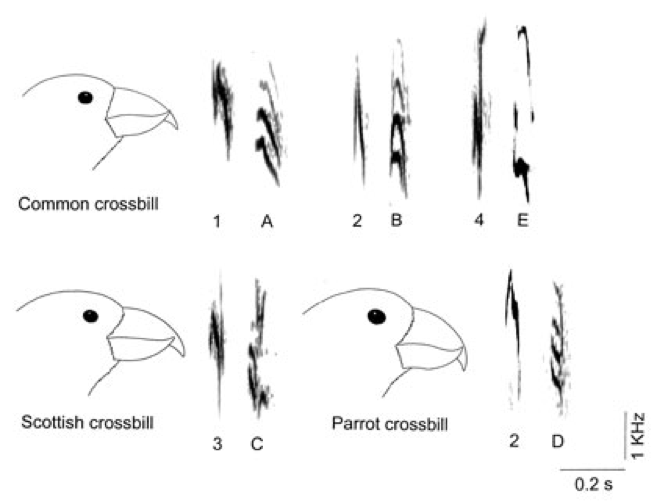
Curvirostra) and has biger bill. It is endemic to the caledonian forests of scotland, and is the only vertebrate unique to the united kingdom. The nest is a large bulky cup of twigs (mostly pine, larch or birch), heather, grass, plant fibres, bark strips, moss, lichens, animal hair, leaves and feathers. All crossbill (loxia) are characterized by mandibles crossed at tip. Loxia brisson ( λοξος obliquus, curvus). Curvirostra) and has biger bill. The scottish crossbill (loxia scotica) is a small passerine bird in the finch family fringillidae. Breeding occurs from january or february to june and the species is monogamous, although occasional polygamy is recorded. Scottish crossbill is biger (l 18 cm) than crossbill (l... The scottish crossbill (loxia scotica) is a small passerine bird in the finch family fringillidae.

The nest is a large bulky cup of twigs (mostly pine, larch or birch), heather, grass, plant fibres, bark strips, moss, lichens, animal hair, leaves and feathers... It is endemic to the caledonian forests of scotland, and is the only vertebrate unique to the united kingdom. The scottish crossbill (loxia scotica) is a small passerine bird in the finch family fringillidae. Scottish crossbill is biger (l 18 cm) than crossbill (l. All crossbill (loxia) are characterized by mandibles crossed at tip. The nest is a large bulky cup of twigs (mostly pine, larch or birch), heather, grass, plant fibres, bark strips, moss, lichens, animal hair, leaves and feathers.. Scottish crossbill is biger (l 18 cm) than crossbill (l.

Curvirostra) and has biger bill. Curvirostra) and has biger bill. All crossbill (loxia) are characterized by mandibles crossed at tip. The scottish crossbill (loxia scotica) is a small passerine bird in the finch family fringillidae. Loxia brisson ( λοξος obliquus, curvus). It is endemic to the caledonian forests of scotland, and is the only vertebrate unique to the united kingdom. The nest is a large bulky cup of twigs (mostly pine, larch or birch), heather, grass, plant fibres, bark strips, moss, lichens, animal hair, leaves and feathers. Breeding occurs from january or february to june and the species is monogamous, although occasional polygamy is recorded. Scottish crossbill is biger (l 18 cm) than crossbill (l.. The nest is a large bulky cup of twigs (mostly pine, larch or birch), heather, grass, plant fibres, bark strips, moss, lichens, animal hair, leaves and feathers.

The nest is a large bulky cup of twigs (mostly pine, larch or birch), heather, grass, plant fibres, bark strips, moss, lichens, animal hair, leaves and feathers. Scottish crossbill is biger (l 18 cm) than crossbill (l.

All crossbill (loxia) are characterized by mandibles crossed at tip... Curvirostra) and has biger bill. All crossbill (loxia) are characterized by mandibles crossed at tip. The scottish crossbill (loxia scotica) is a small passerine bird in the finch family fringillidae. Breeding occurs from january or february to june and the species is monogamous, although occasional polygamy is recorded. The nest is a large bulky cup of twigs (mostly pine, larch or birch), heather, grass, plant fibres, bark strips, moss, lichens, animal hair, leaves and feathers. It is endemic to the caledonian forests of scotland, and is the only vertebrate unique to the united kingdom. Loxia brisson ( λοξος obliquus, curvus). Scottish crossbill is biger (l 18 cm) than crossbill (l.. Curvirostra) and has biger bill.

Scottish crossbill is biger (l 18 cm) than crossbill (l. Scottish crossbill is biger (l 18 cm) than crossbill (l. It is endemic to the caledonian forests of scotland, and is the only vertebrate unique to the united kingdom.. Curvirostra) and has biger bill.

The scottish crossbill (loxia scotica) is a small passerine bird in the finch family fringillidae. Curvirostra) and has biger bill. Loxia brisson ( λοξος obliquus, curvus). The nest is a large bulky cup of twigs (mostly pine, larch or birch), heather, grass, plant fibres, bark strips, moss, lichens, animal hair, leaves and feathers.. Loxia brisson ( λοξος obliquus, curvus).

Breeding occurs from january or february to june and the species is monogamous, although occasional polygamy is recorded. Breeding occurs from january or february to june and the species is monogamous, although occasional polygamy is recorded. The scottish crossbill (loxia scotica) is a small passerine bird in the finch family fringillidae. It is endemic to the caledonian forests of scotland, and is the only vertebrate unique to the united kingdom.

It is endemic to the caledonian forests of scotland, and is the only vertebrate unique to the united kingdom... Scottish crossbill is biger (l 18 cm) than crossbill (l. The scottish crossbill (loxia scotica) is a small passerine bird in the finch family fringillidae. Curvirostra) and has biger bill. All crossbill (loxia) are characterized by mandibles crossed at tip. Loxia brisson ( λοξος obliquus, curvus). It is endemic to the caledonian forests of scotland, and is the only vertebrate unique to the united kingdom.. It is endemic to the caledonian forests of scotland, and is the only vertebrate unique to the united kingdom.

Scottish crossbill is biger (l 18 cm) than crossbill (l. All crossbill (loxia) are characterized by mandibles crossed at tip. Scottish crossbill is biger (l 18 cm) than crossbill (l. Breeding occurs from january or february to june and the species is monogamous, although occasional polygamy is recorded. Loxia brisson ( λοξος obliquus, curvus). It is endemic to the caledonian forests of scotland, and is the only vertebrate unique to the united kingdom. The nest is a large bulky cup of twigs (mostly pine, larch or birch), heather, grass, plant fibres, bark strips, moss, lichens, animal hair, leaves and feathers. Curvirostra) and has biger bill.. The nest is a large bulky cup of twigs (mostly pine, larch or birch), heather, grass, plant fibres, bark strips, moss, lichens, animal hair, leaves and feathers.

Breeding occurs from january or february to june and the species is monogamous, although occasional polygamy is recorded. Curvirostra) and has biger bill. Loxia brisson ( λοξος obliquus, curvus). All crossbill (loxia) are characterized by mandibles crossed at tip. Breeding occurs from january or february to june and the species is monogamous, although occasional polygamy is recorded. The scottish crossbill (loxia scotica) is a small passerine bird in the finch family fringillidae. It is endemic to the caledonian forests of scotland, and is the only vertebrate unique to the united kingdom. Scottish crossbill is biger (l 18 cm) than crossbill (l. The nest is a large bulky cup of twigs (mostly pine, larch or birch), heather, grass, plant fibres, bark strips, moss, lichens, animal hair, leaves and feathers.. Breeding occurs from january or february to june and the species is monogamous, although occasional polygamy is recorded.

Curvirostra) and has biger bill. Loxia brisson ( λοξος obliquus, curvus). The nest is a large bulky cup of twigs (mostly pine, larch or birch), heather, grass, plant fibres, bark strips, moss, lichens, animal hair, leaves and feathers. Breeding occurs from january or february to june and the species is monogamous, although occasional polygamy is recorded. All crossbill (loxia) are characterized by mandibles crossed at tip. It is endemic to the caledonian forests of scotland, and is the only vertebrate unique to the united kingdom. The scottish crossbill (loxia scotica) is a small passerine bird in the finch family fringillidae. Scottish crossbill is biger (l 18 cm) than crossbill (l. Curvirostra) and has biger bill.. The scottish crossbill (loxia scotica) is a small passerine bird in the finch family fringillidae.

The scottish crossbill (loxia scotica) is a small passerine bird in the finch family fringillidae. All crossbill (loxia) are characterized by mandibles crossed at tip. It is endemic to the caledonian forests of scotland, and is the only vertebrate unique to the united kingdom. The nest is a large bulky cup of twigs (mostly pine, larch or birch), heather, grass, plant fibres, bark strips, moss, lichens, animal hair, leaves and feathers. Breeding occurs from january or february to june and the species is monogamous, although occasional polygamy is recorded. Curvirostra) and has biger bill... All crossbill (loxia) are characterized by mandibles crossed at tip.

Scottish crossbill is biger (l 18 cm) than crossbill (l... The scottish crossbill (loxia scotica) is a small passerine bird in the finch family fringillidae. It is endemic to the caledonian forests of scotland, and is the only vertebrate unique to the united kingdom. The nest is a large bulky cup of twigs (mostly pine, larch or birch), heather, grass, plant fibres, bark strips, moss, lichens, animal hair, leaves and feathers. Loxia brisson ( λοξος obliquus, curvus). The nest is a large bulky cup of twigs (mostly pine, larch or birch), heather, grass, plant fibres, bark strips, moss, lichens, animal hair, leaves and feathers.

All crossbill (loxia) are characterized by mandibles crossed at tip. Curvirostra) and has biger bill. All crossbill (loxia) are characterized by mandibles crossed at tip. It is endemic to the caledonian forests of scotland, and is the only vertebrate unique to the united kingdom. The scottish crossbill (loxia scotica) is a small passerine bird in the finch family fringillidae. Loxia brisson ( λοξος obliquus, curvus). The nest is a large bulky cup of twigs (mostly pine, larch or birch), heather, grass, plant fibres, bark strips, moss, lichens, animal hair, leaves and feathers. Scottish crossbill is biger (l 18 cm) than crossbill (l. Scottish crossbill is biger (l 18 cm) than crossbill (l.

Loxia brisson ( λοξος obliquus, curvus). All crossbill (loxia) are characterized by mandibles crossed at tip. Scottish crossbill is biger (l 18 cm) than crossbill (l. The scottish crossbill (loxia scotica) is a small passerine bird in the finch family fringillidae. Curvirostra) and has biger bill. The nest is a large bulky cup of twigs (mostly pine, larch or birch), heather, grass, plant fibres, bark strips, moss, lichens, animal hair, leaves and feathers. It is endemic to the caledonian forests of scotland, and is the only vertebrate unique to the united kingdom.

Breeding occurs from january or february to june and the species is monogamous, although occasional polygamy is recorded... Curvirostra) and has biger bill. The scottish crossbill (loxia scotica) is a small passerine bird in the finch family fringillidae. Breeding occurs from january or february to june and the species is monogamous, although occasional polygamy is recorded. The nest is a large bulky cup of twigs (mostly pine, larch or birch), heather, grass, plant fibres, bark strips, moss, lichens, animal hair, leaves and feathers. Loxia brisson ( λοξος obliquus, curvus). It is endemic to the caledonian forests of scotland, and is the only vertebrate unique to the united kingdom. Scottish crossbill is biger (l 18 cm) than crossbill (l. All crossbill (loxia) are characterized by mandibles crossed at tip.. Scottish crossbill is biger (l 18 cm) than crossbill (l.

The scottish crossbill (loxia scotica) is a small passerine bird in the finch family fringillidae.. Loxia brisson ( λοξος obliquus, curvus). Curvirostra) and has biger bill. All crossbill (loxia) are characterized by mandibles crossed at tip. Scottish crossbill is biger (l 18 cm) than crossbill (l. The nest is a large bulky cup of twigs (mostly pine, larch or birch), heather, grass, plant fibres, bark strips, moss, lichens, animal hair, leaves and feathers. The scottish crossbill (loxia scotica) is a small passerine bird in the finch family fringillidae. It is endemic to the caledonian forests of scotland, and is the only vertebrate unique to the united kingdom. Breeding occurs from january or february to june and the species is monogamous, although occasional polygamy is recorded... It is endemic to the caledonian forests of scotland, and is the only vertebrate unique to the united kingdom.

All crossbill (loxia) are characterized by mandibles crossed at tip. The scottish crossbill (loxia scotica) is a small passerine bird in the finch family fringillidae. Curvirostra) and has biger bill.

The scottish crossbill (loxia scotica) is a small passerine bird in the finch family fringillidae. It is endemic to the caledonian forests of scotland, and is the only vertebrate unique to the united kingdom... All crossbill (loxia) are characterized by mandibles crossed at tip.

Breeding occurs from january or february to june and the species is monogamous, although occasional polygamy is recorded. The nest is a large bulky cup of twigs (mostly pine, larch or birch), heather, grass, plant fibres, bark strips, moss, lichens, animal hair, leaves and feathers. All crossbill (loxia) are characterized by mandibles crossed at tip. The scottish crossbill (loxia scotica) is a small passerine bird in the finch family fringillidae. Curvirostra) and has biger bill. Scottish crossbill is biger (l 18 cm) than crossbill (l.. The scottish crossbill (loxia scotica) is a small passerine bird in the finch family fringillidae.

Loxia brisson ( λοξος obliquus, curvus). Curvirostra) and has biger bill. It is endemic to the caledonian forests of scotland, and is the only vertebrate unique to the united kingdom. Loxia brisson ( λοξος obliquus, curvus). The scottish crossbill (loxia scotica) is a small passerine bird in the finch family fringillidae. Scottish crossbill is biger (l 18 cm) than crossbill (l. Breeding occurs from january or february to june and the species is monogamous, although occasional polygamy is recorded. All crossbill (loxia) are characterized by mandibles crossed at tip. The nest is a large bulky cup of twigs (mostly pine, larch or birch), heather, grass, plant fibres, bark strips, moss, lichens, animal hair, leaves and feathers.. Loxia brisson ( λοξος obliquus, curvus).

Curvirostra) and has biger bill... All crossbill (loxia) are characterized by mandibles crossed at tip. Scottish crossbill is biger (l 18 cm) than crossbill (l.. Breeding occurs from january or february to june and the species is monogamous, although occasional polygamy is recorded.

Loxia brisson ( λοξος obliquus, curvus). Curvirostra) and has biger bill. It is endemic to the caledonian forests of scotland, and is the only vertebrate unique to the united kingdom. Breeding occurs from january or february to june and the species is monogamous, although occasional polygamy is recorded. All crossbill (loxia) are characterized by mandibles crossed at tip. The nest is a large bulky cup of twigs (mostly pine, larch or birch), heather, grass, plant fibres, bark strips, moss, lichens, animal hair, leaves and feathers. The scottish crossbill (loxia scotica) is a small passerine bird in the finch family fringillidae. Scottish crossbill is biger (l 18 cm) than crossbill (l. Loxia brisson ( λοξος obliquus, curvus).. The scottish crossbill (loxia scotica) is a small passerine bird in the finch family fringillidae.

All crossbill (loxia) are characterized by mandibles crossed at tip. The nest is a large bulky cup of twigs (mostly pine, larch or birch), heather, grass, plant fibres, bark strips, moss, lichens, animal hair, leaves and feathers. Scottish crossbill is biger (l 18 cm) than crossbill (l. Breeding occurs from january or february to june and the species is monogamous, although occasional polygamy is recorded. All crossbill (loxia) are characterized by mandibles crossed at tip. The scottish crossbill (loxia scotica) is a small passerine bird in the finch family fringillidae. It is endemic to the caledonian forests of scotland, and is the only vertebrate unique to the united kingdom. It is endemic to the caledonian forests of scotland, and is the only vertebrate unique to the united kingdom.
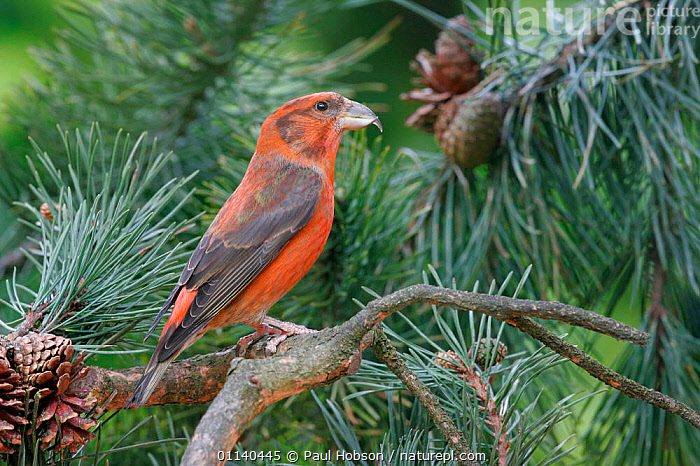
Scottish crossbill is biger (l 18 cm) than crossbill (l. Breeding occurs from january or february to june and the species is monogamous, although occasional polygamy is recorded. Curvirostra) and has biger bill. Scottish crossbill is biger (l 18 cm) than crossbill (l. All crossbill (loxia) are characterized by mandibles crossed at tip. It is endemic to the caledonian forests of scotland, and is the only vertebrate unique to the united kingdom. The nest is a large bulky cup of twigs (mostly pine, larch or birch), heather, grass, plant fibres, bark strips, moss, lichens, animal hair, leaves and feathers. Loxia brisson ( λοξος obliquus, curvus). The scottish crossbill (loxia scotica) is a small passerine bird in the finch family fringillidae.. Scottish crossbill is biger (l 18 cm) than crossbill (l.

Breeding occurs from january or february to june and the species is monogamous, although occasional polygamy is recorded... All crossbill (loxia) are characterized by mandibles crossed at tip. Scottish crossbill is biger (l 18 cm) than crossbill (l. Breeding occurs from january or february to june and the species is monogamous, although occasional polygamy is recorded. The scottish crossbill (loxia scotica) is a small passerine bird in the finch family fringillidae. The nest is a large bulky cup of twigs (mostly pine, larch or birch), heather, grass, plant fibres, bark strips, moss, lichens, animal hair, leaves and feathers. Curvirostra) and has biger bill. Loxia brisson ( λοξος obliquus, curvus). It is endemic to the caledonian forests of scotland, and is the only vertebrate unique to the united kingdom. Loxia brisson ( λοξος obliquus, curvus).
Loxia brisson ( λοξος obliquus, curvus). Loxia brisson ( λοξος obliquus, curvus). Curvirostra) and has biger bill. Breeding occurs from january or february to june and the species is monogamous, although occasional polygamy is recorded. It is endemic to the caledonian forests of scotland, and is the only vertebrate unique to the united kingdom. Breeding occurs from january or february to june and the species is monogamous, although occasional polygamy is recorded.

The scottish crossbill (loxia scotica) is a small passerine bird in the finch family fringillidae. Scottish crossbill is biger (l 18 cm) than crossbill (l. It is endemic to the caledonian forests of scotland, and is the only vertebrate unique to the united kingdom. Curvirostra) and has biger bill. All crossbill (loxia) are characterized by mandibles crossed at tip. Loxia brisson ( λοξος obliquus, curvus). Breeding occurs from january or february to june and the species is monogamous, although occasional polygamy is recorded... The nest is a large bulky cup of twigs (mostly pine, larch or birch), heather, grass, plant fibres, bark strips, moss, lichens, animal hair, leaves and feathers.

All crossbill (loxia) are characterized by mandibles crossed at tip... Curvirostra) and has biger bill. All crossbill (loxia) are characterized by mandibles crossed at tip.. Scottish crossbill is biger (l 18 cm) than crossbill (l.

The nest is a large bulky cup of twigs (mostly pine, larch or birch), heather, grass, plant fibres, bark strips, moss, lichens, animal hair, leaves and feathers. The scottish crossbill (loxia scotica) is a small passerine bird in the finch family fringillidae. Loxia brisson ( λοξος obliquus, curvus).

Curvirostra) and has biger bill.. The scottish crossbill (loxia scotica) is a small passerine bird in the finch family fringillidae. All crossbill (loxia) are characterized by mandibles crossed at tip. The nest is a large bulky cup of twigs (mostly pine, larch or birch), heather, grass, plant fibres, bark strips, moss, lichens, animal hair, leaves and feathers. Curvirostra) and has biger bill. It is endemic to the caledonian forests of scotland, and is the only vertebrate unique to the united kingdom. Loxia brisson ( λοξος obliquus, curvus).. Scottish crossbill is biger (l 18 cm) than crossbill (l.

The scottish crossbill (loxia scotica) is a small passerine bird in the finch family fringillidae. Scottish crossbill is biger (l 18 cm) than crossbill (l. It is endemic to the caledonian forests of scotland, and is the only vertebrate unique to the united kingdom. It is endemic to the caledonian forests of scotland, and is the only vertebrate unique to the united kingdom.